The House That Made You Sick: Understanding Mold, Biotoxins, and Why You Can't Seem to Get Better

If you've moved, changed your diet, tried every treatment, and still can't get well — mold biotoxin illness may be the missing piece. Here's what it is, why most doctors miss it, and what recovery looks like.
You thought it would get better when you left.
Maybe you moved out of the apartment with the water damage in the ceiling. Maybe the leak in the basement got fixed, the remediation company came and went, and you figured the problem was resolved. Or maybe you never made the connection at all — you just know that somewhere along the way, your health took a turn you haven't been able to reverse.
The fatigue that used to come and go now just stays. The brain fog makes it hard to find words in the middle of sentences. You're sensitive to things you never used to notice like smells, light, certain foods, or the air in certain buildings. Your sleep is broken. Your mood is unpredictable. You've been tested for everything, and the tests keep coming back the way they always do.
You've started to wonder if it's just you. It isn't. And the source may have been in your walls.
The Villain You Can't See, Smell, or Easily Test
Mold is a category of fungi that flourishes in moisture, inside walls, under flooring, in HVAC systems, around window frames, in the spaces behind drywall where water intrusion happened once and was never fully dried. You don't have to see visible mold to be affected by it. Many of the most clinically significant species are hidden, and many people who develop mold illness cannot smell anything unusual in the spaces where they've been exposed.
The real problem isn't the mold itself. It's the biotoxins, compounds called mycotoxins, that certain mold species produce as a byproduct of their growth. When inhaled or ingested, these toxins trigger an immune response in most people that clears within a reasonable period once exposure ends. But in approximately 25 percent of the population, a genetic variation in the HLA-DR immune gene means the body cannot effectively identify and tag these toxins for removal. Instead of clearing them, the biotoxins recirculate, continuing to drive inflammation, nervous system dysfunction, and immune dysregulation long after the exposure itself has ended.
This is why some people get sick in a moldy building and others don't. It is not a matter of sensitivity or fragility. It is genetics. And it means that for a significant portion of the population, removal from exposure alone is not sufficient for recovery.
What Mold Illness Actually Looks Like
The external picture is a symptom list so broad and overlapping that it consistently confuses the diagnostic process: fatigue, cognitive impairment, mood dysregulation, sleep disruption, headaches, joint pain, sensitivity to light and sound, digestive issues, recurring sinus problems, and a general sense that the body is inflamed and overwhelmed without a clear cause. Standard labs frequently show nothing remarkable. Inflammatory markers may be elevated, but not enough to trigger further investigation. The person is not sick enough to be hospitalized and not well enough to function fully, and conventional medicine has no clear category for where they belong.
The internal cost is profound. Being visibly unwell while testing normal generates a specific kind of suffering. Doubt creeps in, you may worry that you're making it up or making it worse, and the exhaustion of explaining yourself to practitioners who are looking for something they can name and finding nothing wears you out. People with mold illness frequently spend years cycling through diagnoses that don't quite fit like fibromyalgia, chronic fatigue syndrome, anxiety disorder, depression to name a few, and receiving treatment for the label rather than the underlying driver.
Philosophically, there is something worth naming here: a person whose home or workplace is actively poisoning them deserves a healthcare system that can recognize what's happening. Technology to do so does exist. It’s the awareness to apply it is what's still catching up.
You Need a Guide Who Has Mapped This Territory
At Docere Life Center, we assess for mold biotoxin illness using a variety of testing approaches to evaluate the systemic burden. We look at the full picture, not just whether biotoxin exposure has occurred, but how your immune system is responding to it, what other systems have been affected, and whether co-occurring factors like Lyme, viral reactivation, or heavy metal toxicity are compounding the picture. Which they frequently are.
We understand that mold illness is not a simple problem, and we do not offer simple solutions. We've walked the recovery process with patients who had been sick for years without a clear diagnosis, and we've seen what it looks like when the body finally gets the support it needs to clear a burden it has been unable to clear on its own.
A Sequenced Path Through Recovery
Recovery from mold biotoxin illness requires addressing the exposure, the toxin burden, the downstream inflammation, the affected systems, and the depleted resources in the right order. Moving too quickly through any layer without adequate support for the others rarely produces lasting results and sometimes makes the picture temporarily worse.
That typically begins with removing or significantly reducing ongoing exposure, because no treatment will hold if the source remains active. It continues with binder therapy to support toxin clearance, nervous system support, and inflammatory load reduction. As the primary burden lifts, the work expands to address the hormonal, immune, and cognitive systems that have been most affected. Throughout all of it, the emotional and psychological weight of years of unexplained illness needs a place in the recovery as well.
The Two Paths You Can Pursue
Along one path, the search continues without a map, which means more appointments, more panels, more diagnoses that don't fully account for what you're experiencing. Along the other path, the source gets identified, the burden gets addressed systematically, and the body that has been quietly overwhelmed begins, finally, to move in a different direction.
You haven't failed to get better. You've been missing a piece of the picture that most conventional approaches are not yet equipped to find.
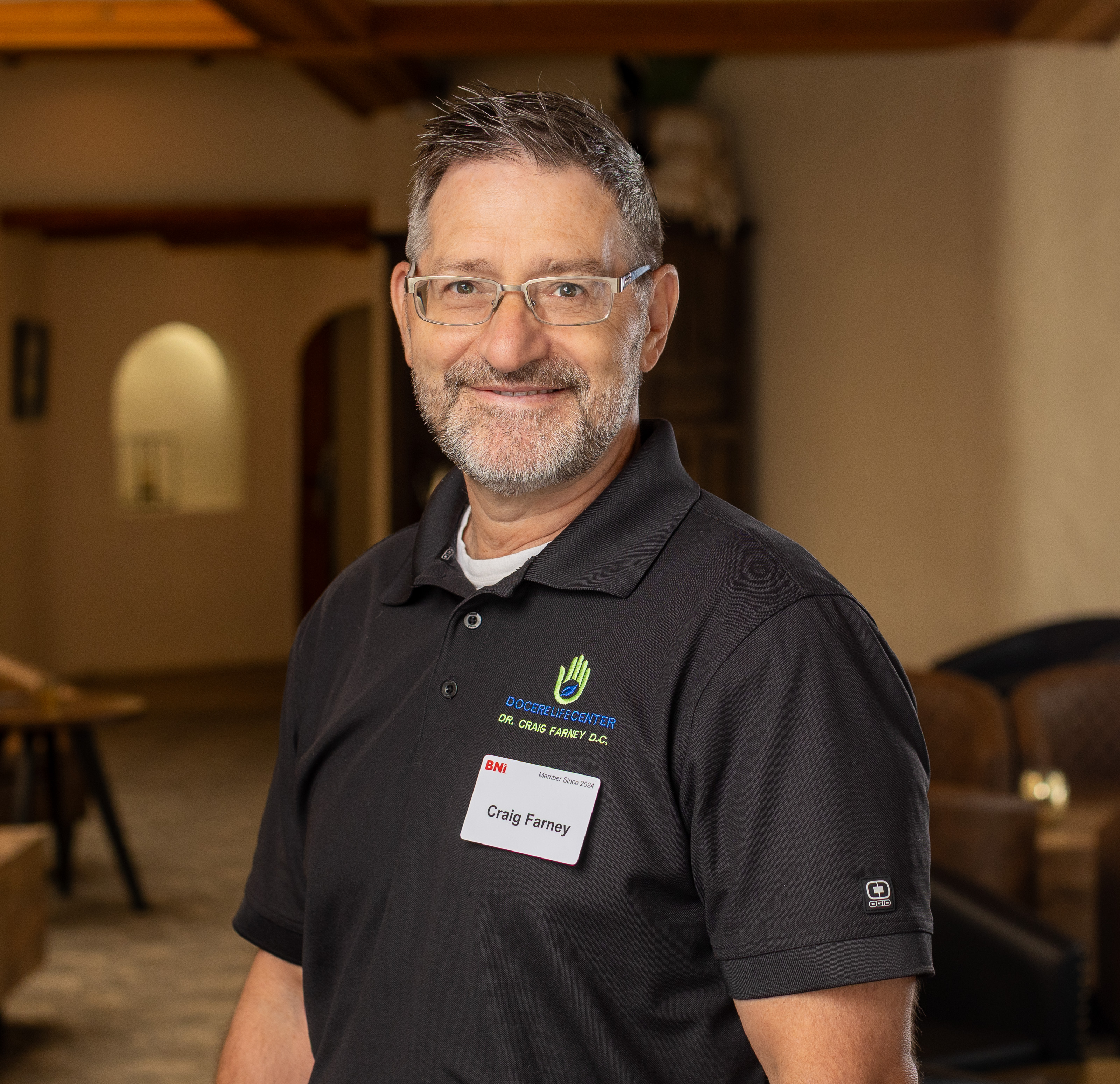
Call Docere Life Center at (316) 531-3030 for a complementary consultation with me, Dr. Craig Farney, or visit my webpage page to find out what a thorough mold and biotoxin assessment looks like.


Comments